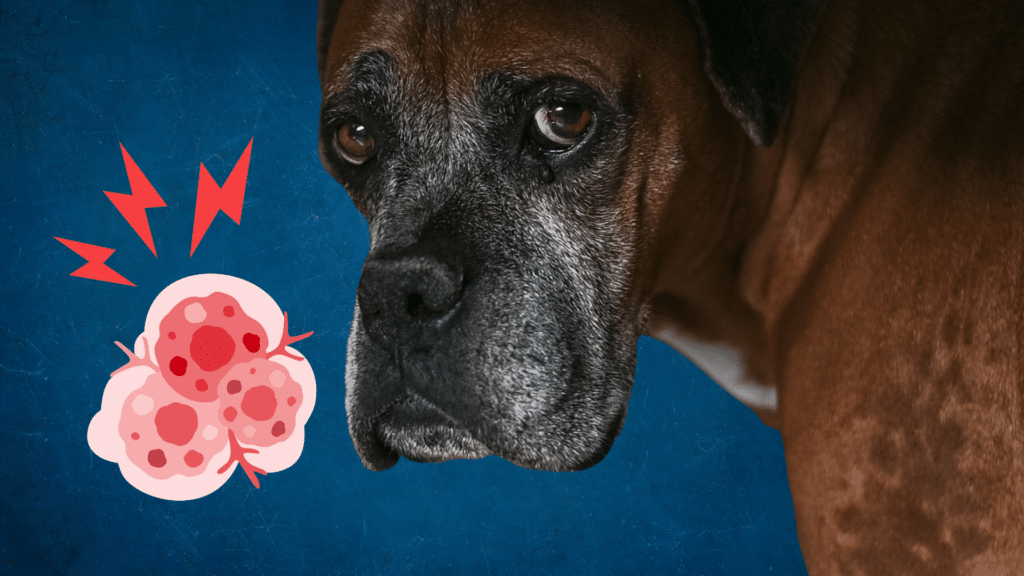
You are petting your dog when your fingers find a bump that was not there before. It is natural to wonder about cancer in dogs, even if your pet seems perfectly comfortable. A new lump deserves attention, but it does not automatically mean cancer. ABC Veterinary Clinic of Lewisville has this article so local Lewisville dog owners can know what to watch for and when to arrange a visit to our animal clinic.
Does Every Lump Mean Cancer?
Dogs can develop several kinds of lumps, including fatty growths, cysts, and areas of inflammation. Some masses are cancerous, while others are benign, meaning they do not invade nearby tissues or spread to other parts of the body.
The risk of cancer in dogs increases with age, and certain breeds have a higher risk of particular cancers. However, younger dogs can also develop cancer, and growing older does not mean a dog will inevitably develop it. That said, about 1 in 4 dogs will develop cancer in their lifetimes, so owners should be on the lookout for any signs.
Signs That Deserve a Veterinary Visit
A new lump or a change in an existing bump is a reason to contact your veterinarian. Other possible signs of cancer in dogs include unexplained weight loss, sores that do not heal, unusual bleeding, stiffness, difficulty breathing, and changes in appetite or energy. These symptoms can result from illnesses unrelated to cancer, too, so they cannot establish a diagnosis on their own.
Tell your veterinarian about changes in your dog’s eating habits, activity, or comfort, even when they seem unrelated to the lump.
What Should You Do After Finding a Mass?
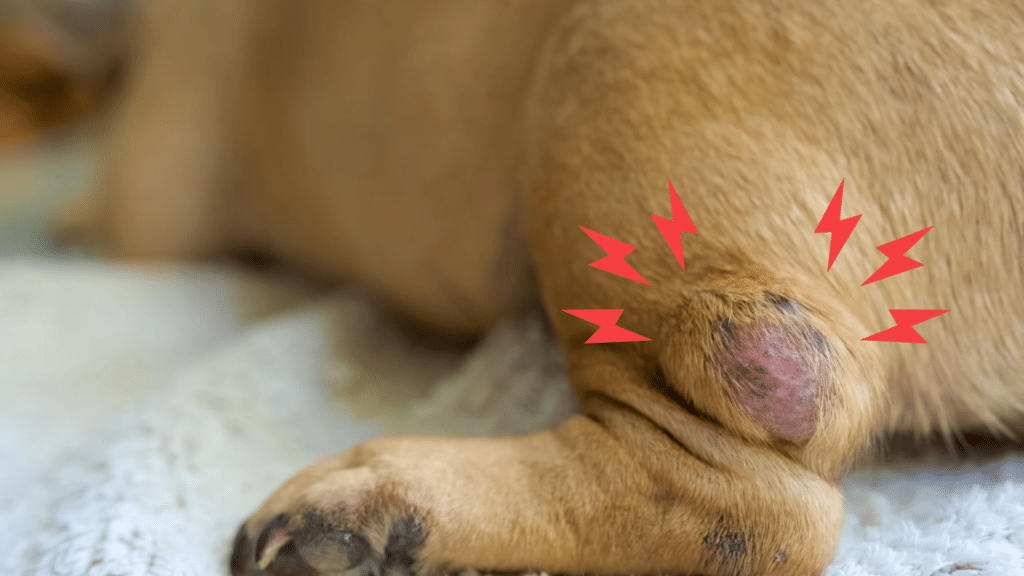
Contact ABC Veterinary Clinic of Lewisville when you discover a mass, and note its location, approximate size, and when you first noticed it. A photograph beside a ruler can provide a useful record, but avoid squeezing, puncturing, or applying home remedies to the area.
During an evaluation, a veterinarian examines your dog and asks about the lump’s history and any other symptoms. Depending on the findings, they may recommend taking X-rays or an ultrasound, collecting cells with a small needle, or taking a tissue sample for laboratory examination. Appearance and touch alone cannot necessarily determine whether a lump is cancerous, so even a soft or painless bump may need testing.
Make Gentle Checks for Cancer Part of Your Dog’s Routine
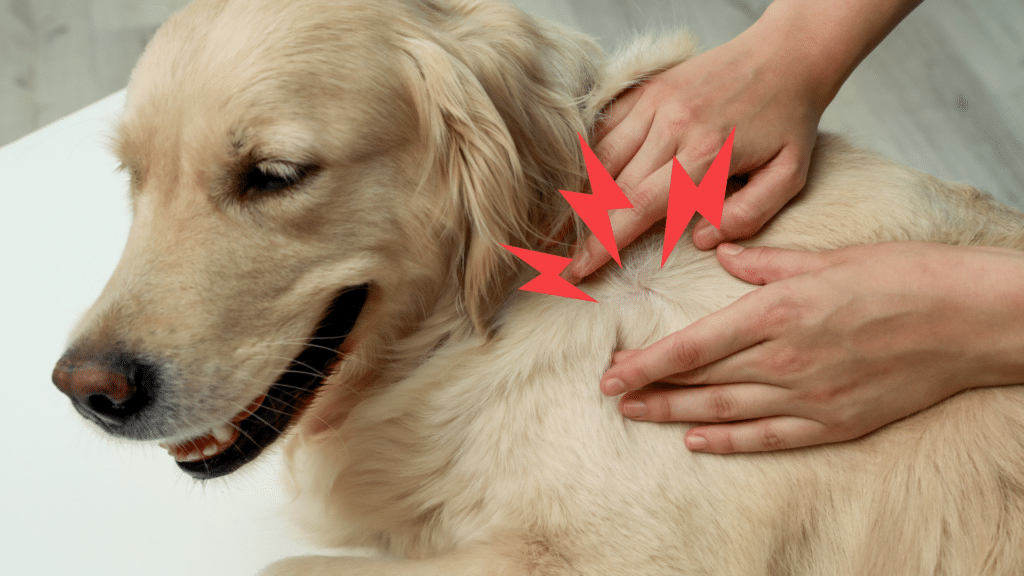
While petting or brushing your dog, gently feel along the body for new bumps or changes beneath the coat. Pay attention to areas that are easy to overlook, such as the chest, belly, legs, and around the ears. If your dog is comfortable, lift the lips to look for unusual growths, sores, or bleeding inside the mouth.
Keep these checks calm and stop if your pet seems painful or resists being handled. Routine veterinary visits will serve as checks with a professional as dogs age because home checks cannot detect every health concern.
Some Cancers Develop Without a Visible Lump
Not all cancer in dogs causes a bump. Cancers affecting internal organs or blood cells may first cause changes in stamina, appetite, weight, or overall behavior. Persistent symptoms deserve a veterinary evaluation, even when a home skin check seems normal. Share what has changed instead of waiting for a lump to appear.
Evaluating Lumps on Dogs in Lewisville, TX
Finding a lump does not mean you need to assume the worst. ABC Veterinary Clinic of Lewisville serves dog owners from Lewisville, Flower Mound, Hebron, and the surrounding communities with veterinary care and drop-off options. To discuss a new growth or another concerning change, contact our team and arrange an evaluation.
If cancer is diagnosed, we are here to discuss what the findings mean and guide you through the next steps. Getting your dog checked gives you a clearer understanding of the concern and a path forward.