Is My Cat Overweight?
Noticing that your cat looks rounder, feels heavier when you pick them up, or seems less eager to jump can make you wonder whether you have an overweight cat. Small changes can be easy to miss, especially when you see your cat every day. For cat owners in Lewisville, changes in body condition are worth discussing with a veterinarian like ABC Veterinary Clinic of Lewisville rather than judging by the number on a scale alone. A veterinary exam can determine whether weight gain reflects excess body fat, a feeding issue, reduced activity, or a medical concern.Why Extra Weight Can Be a Health Concern
An overweight cat may face more than a change in appearance. Carrying excess body fat can contribute to health concerns such as diabetes and can make movement, grooming, and normal daily activity more difficult. Extra weight places additional strain on joints, too, and affects overall quality of life. Because cats often hide discomfort, gradual changes in mobility or behavior deserve attention.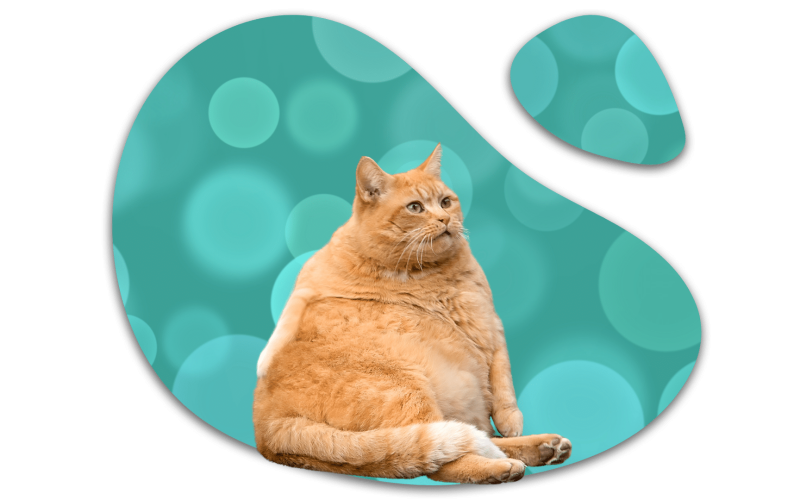
Why Do Cats Gain Weight?
Overfeeding and nutrition are common contributors to feline weight gain. Portions that are too large, frequent treats, calorie-dense foods, and free-feeding can add up, particularly if a cat is not very active. Age and lifestyle can also change how many calories a cat needs. In some cases, however, weight gain may be associated with a medical issue, so an overweight cat should not automatically be placed on a diet without veterinary guidance.
How to Tell if Your Cat Is Overweight
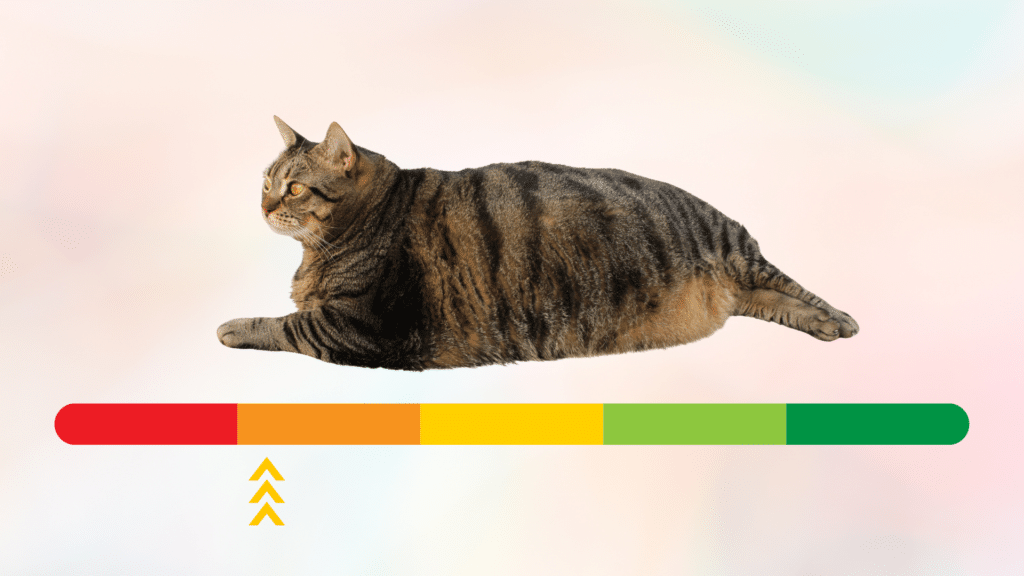
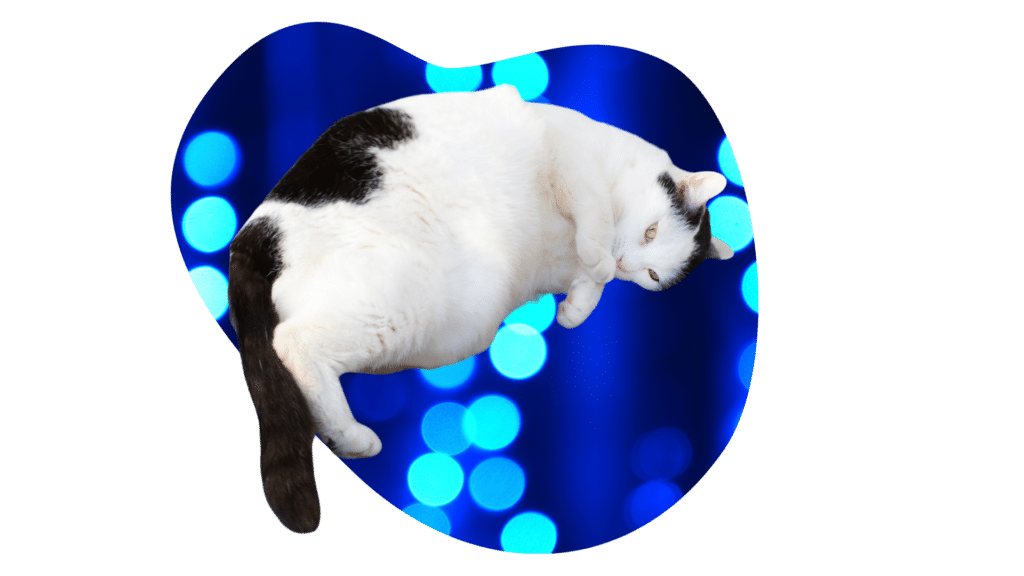
A healthy body condition is about shape and proportion, not simply a target number on the scale. You should generally be able to feel your cat’s ribs without pressing through a thick layer of fat, and there should be some definition at the waist when viewed from above. A sagging or rounded abdomen can also be a clue, although every cat should be assessed individually. For another visual reference, review this at-home scoring chart for cats, then ask your veterinarian to confirm what is appropriate for your pet.
When to Schedule a Veterinary Visit
If your cat starts gaining weight unexpectedly or their body shape changes, schedule a veterinary appointment. The team can assess body condition, review feeding habits, consider activity level, and look for medical factors that could be contributing. This is especially important before making major changes to food portions or switching to a weight-loss diet. For an overweight cat, a veterinarian can recommend a safer, individualized approach and monitor progress over time.
Three Quick Tips for Supporting a Healthy Weight
- Measure meals instead of estimating portions so you know how much food your cat receives each day.
- Avoid relying on diet tips found online as a substitute for veterinary advice, especially when they involve major calorie restriction.
- Build appropriate activity into the day with play and enrichment, then ask your veterinarian what type and amount of exercise makes sense for your cat.
Weight Support for Cats in Lewisville, TX
ABC Veterinary Clinic of Lewisville provides veterinary care for cats and dogs and serves pet owners from Lewisville, Flower Mound, Hebron, and Lantana. If you are concerned about an overweight cat or have noticed unexplained weight gain, schedule an appointment to have your cat evaluated.